Man Who Sailed as a Boy Records Ship’s Final Journey
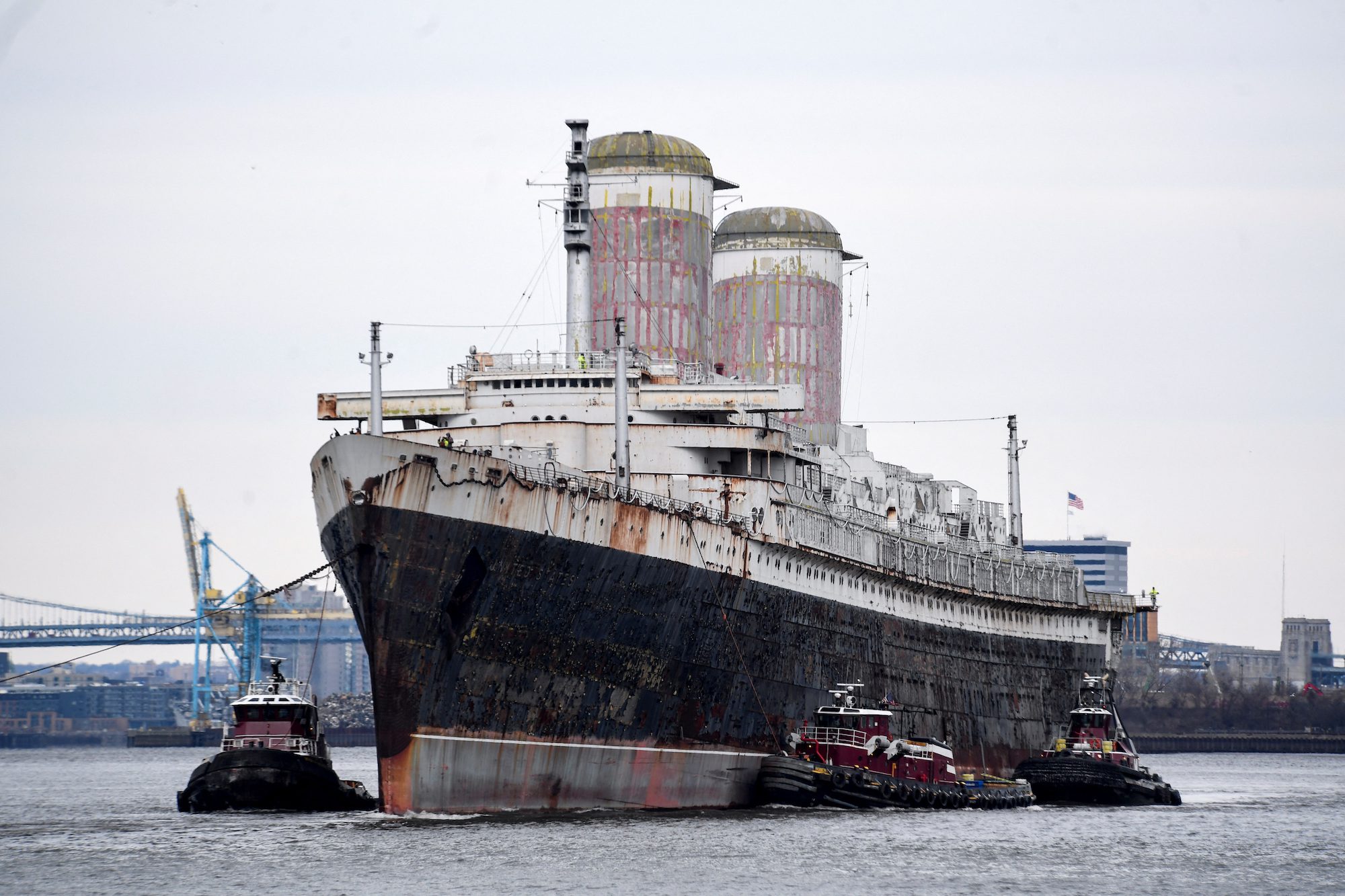
A passenger who traveled on a historic vessel during his childhood has captured its final journey. The man used his camera to save the memory of the ship before it stopped sailing forever. His personal project shows how much one vessel can mean across an entire lifetime.
Why Did He Record the Ship’s Final Journey?
The traveler first boarded the vessel when he was just a young boy. Decades later, he returned to document the last time it would ever sail across the open water. He wanted to make sure other people could see what life was like on the deck before the vessel was retired for good.
Old ships carry strong memories for the people who spend time on them. Sea travel has linked families, travelers, and new lands together for hundreds of years. You can read about earlier maritime history like the Voyages of Christopher Columbus to see how famous trips shaped the way we view the ocean today.
What Makes a Final Voyage So Special to People?
When a long-running ship retires, it marks the end of a big chapter for crew members and passengers alike. Many travelers feel a deep bond with the vessels that carried them through storms and calm waters. Seeing a vessel take its last route brings back memories of youth, adventure, and the passage of time.
Ships are more than large pieces of metal or wood to the people who ride them. They often serve as floating homes, workplaces, and symbols of human effort. The final trip allows everyone connected with the vessel to say goodbye with dignity and honor.
How Do People Keep Maritime Memories Alive?
Recording the end of an old vessel helps keep ocean history alive for future generations. People use different ways to remember their favorite travels and the ships that made them possible:
- Video recordings of the crew, the engines, and the open sea on the last trip.
- Personal journals that describe daily routines and childhood thoughts from earlier trips.
- Old photos that show how the vessel looked decades ago compared to its final days.
- Museum displays that save parts of historic ships after they leave service.
Even historic wrecks and lost vessels like the famous Batavia (1628 ship) show how much effort people put into studying old sea journeys. Saving modern footage ensures that everyday ships do not fade away without a record.
What Happens Next to Retired Ships?
Once a vessel completes its final voyage, owners must decide what to do with the hull and equipment. Some vessels become floating museums or hotels where visitors can walk the decks. Others are broken down for scrap metal so the materials can be used to build new things.
For this passenger, the physical vessel matters less than the memories he saved on film. His video ensures that his childhood voyage and the final ride will stay connected forever. Anyone who loves the sea can appreciate the effort to save such a personal piece of history.